Gasless Transactions: Smart Wallets That Skip the Fee Pain

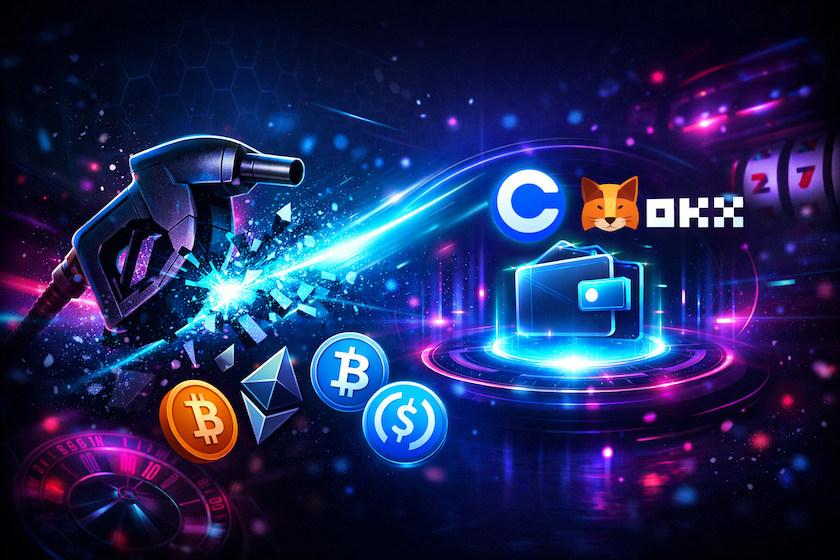
😩 You finally buy a token, feel like a genius, and then the blockchain hits you with the most unromantic message ever: you cannot do anything because you do not have gas.
🚧 That moment is exactly why gasless transactions are becoming one of the most important upgrades in modern crypto wallets, because gasless transactions remove the first big “wait, what?” barrier that scares new users away.
🎯 When a wallet or app can deliver gasless transactions, you stop thinking about which coin pays fees, you stop making tiny “test transfers” out of fear, and you stop feeling like you need a PhD just to click Confirm.
🧠 In this guide, we will break down what gasless transactions really mean, how smart wallets make them possible, and which of the wallets you already know are actually worth using for a smoother experience.
What “Gasless Transactions” Actually Mean
🧩 Let’s clear up the biggest confusion first: gasless transactions do not mean blockchains suddenly became free.
💡 In most real-world cases, gasless transactions or zero-gas transactions mean the fee is handled in a way that feels invisible to you, because someone else covers it or it is paid through a different mechanism that does not require you to hold the chain’s native gas token.
🤝 The first common model is sponsored fees, where an app decides to pay the gas for you, and that is the most literal form of gasless transactions because you click and you move on without funding gas.
🪙 The second model is gas abstraction, where you might pay fees in a token like USDC or USDT instead of holding ETH, and while that is not perfectly “free,” it still supports the same goal as gasless transactions because it removes the annoying gas-token juggling.
✅ The honest takeaway is simple: gasless transactions are a user experience feature powered by wallet design and app support, and when both line up, crypto finally starts feeling normal.
Smart Wallets 101: The Upgrade Behind the Scenes
🛠️ A smart wallet is not just a prettier screen for sending coins, because a smart wallet can behave more like a programmable account that can follow rules, bundle actions, and support modern fee handling.
🚀 This matters because smart wallets are the reason gasless transactions are possible at scale, since a normal “basic” wallet account usually cannot coordinate sponsorship logic the same way.
🧱 With smart wallets, zero-gas transactions become realistic because the wallet can work with the app to route your action through the right infrastructure, then finalize it onchain without you manually prepping gas first.
🔐 Smart wallets also often unlock features that make daily usage smoother, and these features indirectly support gasless transactions by reducing friction around signing, repeating actions, and recovering access.
🎮 In plain language, smart wallets are crypto trying to grow up, and zero-gas transactions are one of the clearest signs that the industry is finally prioritizing usability over rituals.
The Simple Tech Stack Powering It
🧑🍳 Think of the tech behind gasless transactions like a restaurant workflow, where you place an order and a bunch of people make it happen without you walking into the kitchen.
🧾 The smart account is your “programmable tab,” and it allows zero-gas transactions because it can interact with the fee system in a flexible way rather than forcing you to prepay gas manually.
🚚 The bundler is like the delivery runner that packages your request and gets it processed efficiently, and it helps gasless transactions feel instant because it reduces the clunky steps the user would otherwise face.
💳 The paymaster is the star of the show for zero-gas transactions, because it is the component that can sponsor fees or decide how fees are covered, making the whole experience feel like “just click and go.”
🧠 When you click confirm in a gasless flow, your action is prepared, packaged, and paid for in the background, and that is why gasless transactions are best understood as a coordinated system rather than a magic discount.
Where Gasless Transactions Matter Most
🚪 The biggest win for gasless transactions is onboarding, because nothing kills curiosity faster than “you also need ETH” when someone is just trying crypto for the first time.
🎮 Another major win for gasless transactions is apps with small repeated actions, like games, social apps, quests, and micro-interactions, where paying separate gas every time feels ridiculous.
🔁 Gasless transactions also shine in multi-step moments, like “approve then swap then stake,” because smart wallets can reduce the number of interruptions and make a chain of actions feel more like one action.
🌍 If you use multiple chains, gasless transactions can save you from the classic scavenger hunt of collecting tiny amounts of different gas tokens, which is not exciting, not fun, and not what anyone signed up for.
🏁 The simple rule is that if an action feels too small to deserve a fee ritual, it is exactly the kind of place where gasless transactions can change the experience.
The Tradeoffs: The Fine Print People Ignore
🧯 The first reality check is that gasless transactions are often app-specific, because an app has to decide to sponsor the fee or support the flow, and not every app will do that.
📉 The second reality check is that zero-gas transactions can have limits, like daily caps, campaign budgets, or eligibility rules, because sponsorship is usually a growth tool, not a charity program.
🔒 The third reality check is that smart wallets add programmable logic, and while that enables gasless transactions, it also means you should take wallet reputation, security posture, and ecosystem maturity seriously.
🧭 Another practical point is that zero-gas transactions might work on some chains and not others depending on integration, so a wallet can be excellent in one environment and average in another.
✅ The healthy mindset is to treat gasless transactions like a premium convenience feature that is amazing when available, but not something you assume exists everywhere.
Best Wallet Picks for Gasless Transactions
Coinbase
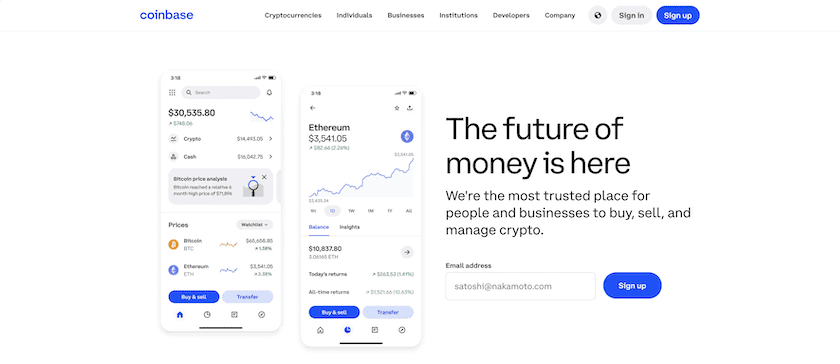
😄 Coinbase is one of the easiest names to connect with gasless transactions, because Coinbase has clearly pushed the idea of a Smart Wallet experience that reduces onboarding friction and removes the “get gas first” headache.
🚀 The real value of Coinbase in a gasless transactions conversation is that the product direction is designed for mainstream usability, meaning the experience aims to feel less like wallet maintenance and more like using an app.
🧠 When apps integrate sponsorship mechanisms, gasless transactions can show up as the smoothest possible flow, where users do not need to pre-fund a gas token just to get started.
🔐 Coinbase also fits readers who want a familiar brand while exploring modern wallet UX, and that matters because gasless transactions are most powerful when they help people actually take the first step instead of giving up at the first error message.
🎯 If your goal is to showcase smart wallet progress without overwhelming beginners, Coinbase is a top-tier pick for gasless transactions because it aligns with convenience-first behavior.
MetaMask

🧠 MetaMask is the classic wallet everyone recognizes, and that is exactly why MetaMask’s move toward Smart Accounts is important for gasless transactions, because it signals the “default wallet” world is evolving.
⚙️ With smart account style flows, gasless transactions become possible through sponsorship models where apps can cover fees, turning the wallet experience into something closer to one-click onboarding.
🪙 MetaMask also supports broader gas abstraction ideas, and while not every feature is pure “free,” the bigger story is that gasless transactions are part of the same mission to remove fee friction and reduce user confusion.
🧩 MetaMask is a strong fit for users who like flexibility, because gasless transactions often depend on where you are using the wallet, and MetaMask tends to have wide ecosystem reach.
🎯 If your readers want a familiar interface but also want to experience the new generation of wallet UX, MetaMask belongs in the conversation about gasless transactions.
OKX
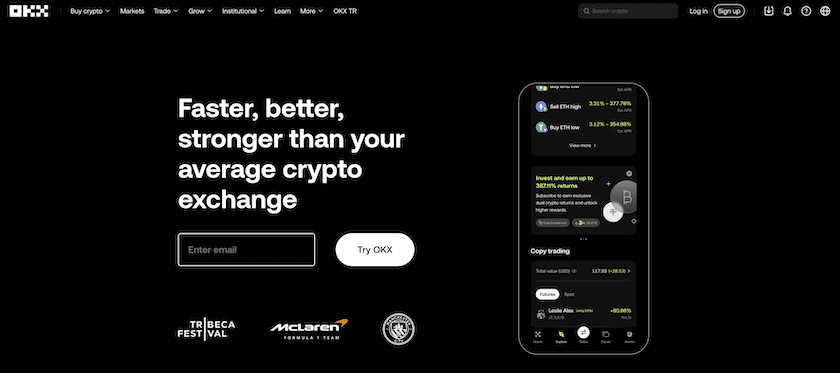
🌍 OKX Wallet earns its spot because it has explicitly positioned a Smart Account feature and directly addresses the pain that gasless transactions try to solve, especially for users moving across chains and apps.
💳 OKX has highlighted options like paying fees with stablecoins in certain environments, and it also supports the wider model where zero-gas transactions happen when apps sponsor your interactions.
🚀 From a user perspective, this matters because the most annoying part of crypto is not the click, it is the preparation, and gasless transactions remove that preparation step when the ecosystem supports it.
🧠 OKX is also a good fit for more active users who want features and flexibility, because zero-gas transactions can feel like a superpower when you are doing frequent actions and you do not want every action to become a mini project.
🏁 If the theme of your post is skipping fee pain without sacrificing capability, OKX is a strong contender for gasless transactions driven smart wallet experiences.
How to Choose the Right Smart Wallet
🧠 Start by being honest about your behavior, because gasless transactions matter most when you do frequent small actions or when you are onboarding into new apps and chains.
📌 If you want the simplest “just get me in” feel, pick a wallet that prioritizes onboarding and smooth flows, because zero-gas transactions are only useful when you actually reach the point of doing your first action.
🧩 If you spend time in DeFi, swaps, and multi-chain apps, you should focus on ecosystem compatibility, because gasless transactions often depend on integration and the apps you use.
🛡️ If security and long-term control are your biggest priorities, you should still enjoy zero-gas transactions, but you should also pay attention to how the wallet handles recovery, approvals, and trust assumptions.
✅ In short, the “best” wallet for gasless transactions is the one that matches your daily usage, the chains you actually touch, and the apps you actually use.
Quick Start: How to Actually Use Gasless Transactions
🔎 The easiest way to find gasless transactions is to watch for app prompts that mention sponsored fees, no gas required, or similar wording that tells you the app is covering the cost.
🧾 Another way to spot zero-gas transactions is when an app lets you complete an action without holding the native gas token, because that usually means sponsorship or an abstracted fee route is in play.
🪙 You might also see gas abstraction options that let you pay fees in stablecoins, and while that is not always pure gasless transactions, it is often part of the same user-friendly upgrade path.
🧠 A smart habit is to treat gasless transactions as a feature that can come and go depending on the app, so you avoid confusion when the same wallet feels “free” in one place and normal-fee in another place.
✅ The practical approach is to start with one wallet, test zero-gas transactions in a couple of popular apps, and build your setup around what consistently removes friction for you.
The End Goal Is Invisible Fees
😄 Crypto becomes mainstream when users stop thinking about gas, and gasless transactions are one of the clearest steps toward that future.
🚀 Smart wallets make zero-gas transactions possible by turning accounts into flexible tools that can support sponsorship, batching, and smoother flows without constant prep work.
🧠 The best part is that gasless transactions are not just a gimmick, because they remove the exact kind of friction that prevents people from going from “interested” to “active.”
🔗 If you want more wallet and exchange deep dives, you can explore our reviews on BitPunter.io and choose the setup that gives you the smoothest path into real-world gasless transactions.