Bitcoin Developers Warn of Quantum Bitcoin Threat

🚨 A bold proposal to freeze 25% of all Bitcoin has shaken the community as developers address the looming quantum Bitcoin threat to network security.
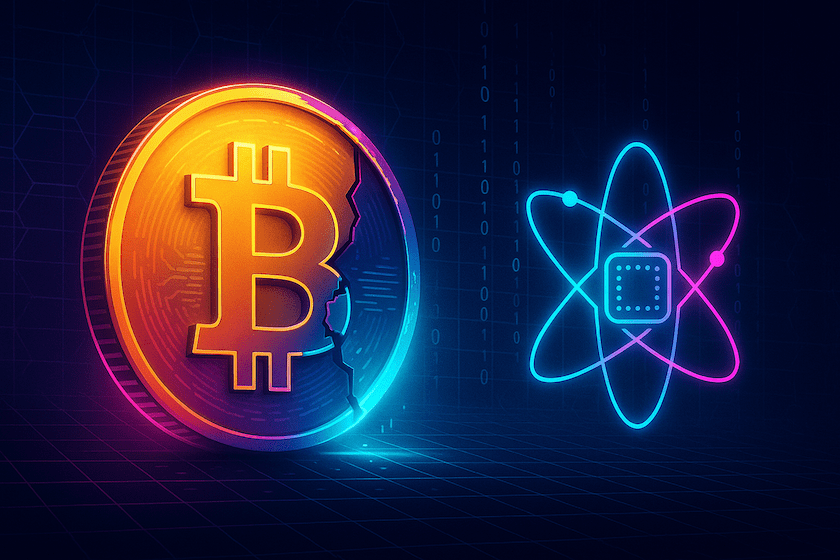 🔍 The quantum Bitcoin threat has become a hot topic among developers who fear that advances in quantum computing could compromise Bitcoin’s cryptographic foundations. Jameson Lopp and five fellow developers have authored a Bitcoin Improvement Proposal (BIP) to address this challenge. Their radical suggestion: freeze coins held in vulnerable addresses—affecting nearly a quarter of all Bitcoin, including the mysterious 1 million BTC attributed to Satoshi Nakamoto.
🔗 According to the proposal’s authors, the quantum Bitcoin threat would first be tackled by discouraging use of old, vulnerable addresses. After a five-year grace period, funds in such addresses would become unspendable unless proactively migrated to secure, quantum-resistant wallets. Additionally, an optional recovery phase could later allow retrieval of frozen funds under new cryptographic protocols.
⚖️ The developers argue that the quantum Bitcoin threat represents the most existential risk the network has faced to date. Should quantum computers become powerful enough to crack private keys, trust in Bitcoin could collapse overnight. They acknowledge that freezing coins goes against Bitcoin’s ethos, but warn that the cost of inaction could be catastrophic.
🤔 However, the quantum Bitcoin threat is not without controversy. For one, Bitcoin Improvement Proposals depend on broad community consensus, a process known for being slow and contentious. Critics also point out that quantum-resistant cryptography increases transaction data size, raising concerns about blockchain scalability—a long-debated issue within the Bitcoin ecosystem.
📊 Alternative solutions to the quantum Bitcoin threat have already been put forward. Hunter Beast proposed BIP 360, which creates new types of quantum-safe addresses without freezing existing coins. Meanwhile, Michael B. Casey introduced his “Hourglass” concept, which would limit transaction speeds from vulnerable wallets while preserving their value. These competing ideas reflect differing philosophies about how much the protocol should intervene.
🌐 Ultimately, the debate around the quantum Bitcoin threat highlights a deeper question: should Bitcoin prioritize protecting users at the protocol level or maintain its commitment to individual responsibility? Adopting the proposal would mark a historic shift toward collective security, while rejecting it would maintain the status quo—albeit with a gamble on how soon quantum computers become a real danger.
💬 As the window to prepare for the quantum Bitcoin threat narrows, the community faces tough decisions that could redefine the future of the world’s most valuable cryptocurrency. Whether or not this proposal succeeds, it has already sparked one of the most significant discussions about Bitcoin’s resilience in its 15-year history.