Bitcoin ATM Breach Exposes 27K Users’ Data

📉 Bitcoin Depot has finally admitted to a Bitcoin ATM breach that exposed 27,000 customers’ personal data — but waited over a year to tell them.
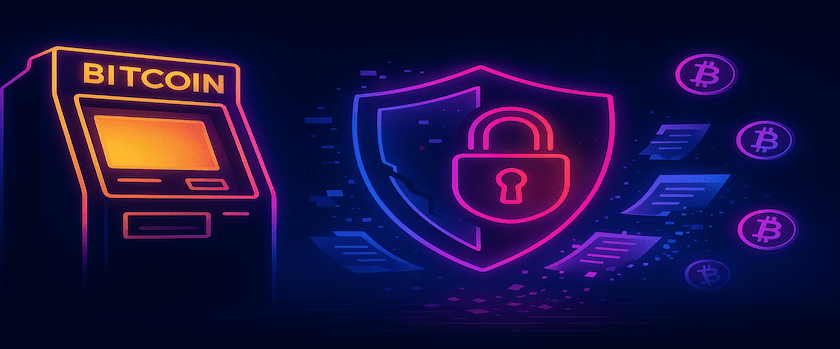 📉 Bitcoin Depot has finally admitted to a Bitcoin ATM breach that exposed 27,000 customers’ personal data — but waited over a year to tell them. The breach, which compromised sensitive information tied to its crypto ATM users, highlights both the regulatory complexities and the privacy risks in the growing crypto sector.
🔍 Letters sent to customers this month revealed that the Bitcoin ATM breach actually took place on June 23, 2024, when Bitcoin Depot noticed unusual activity on its systems. A subsequent investigation, with help from third-party cybersecurity experts, confirmed by July 18, 2024, that personal customer data had indeed been stolen. However, the company claimed it was instructed by law enforcement to delay notifying users until their investigation concluded in June 2025. Notices were finally sent on July 7, 2025.
🧾 The compromised data in the Bitcoin ATM breach includes full names, home addresses, email addresses, phone numbers, dates of birth, and driver’s license numbers. This sensitive information was collected as part of Know Your Customer (KYC) rules that crypto ATM operators in the U.S. must follow. Ironically, while many customers use Bitcoin ATMs to maintain privacy in their transactions, their most private details became vulnerable through compliance with those same regulations.
⚖️ Industry observers say the Bitcoin ATM breach underscores a critical flaw in the current crypto regulatory environment. While Bitcoin Depot was required to gather and store personal information under KYC laws, it is not legally obligated to offer post-breach protections such as identity theft monitoring — a standard practice in many other sectors. This regulatory gap leaves affected customers with few remedies and limited recourse.
🔗 Privacy advocates have also pointed out the contradiction highlighted by the Bitcoin ATM breach: customers seeking anonymity through cryptocurrency ended up having their personal details compromised. While blockchain technology offers transparency and immutability on the transaction level, the identity information tied to those transactions — demanded by regulators — remains vulnerable to leaks, breaches, and misuse.
🕒 The timeline of the Bitcoin ATM breach has drawn further criticism. Bitcoin Depot detected suspicious activity more than a year ago, wrapped up its internal investigation in July 2024, and received the all-clear from law enforcement on June 13, 2025. Yet it took the company almost another month to begin notifying customers, leaving many to question why the process dragged on even after the investigation ended.
🔒 For crypto users, the Bitcoin ATM breach serves as a stark reminder: the privacy and security benefits of cryptocurrency are often undermined when interfacing with regulated services. When using Bitcoin ATMs or exchanges that require KYC, customers expose themselves to many of the same risks faced in traditional financial systems — without always enjoying the same protections when things go wrong.
🌐 As the crypto industry continues to mature, the Bitcoin ATM breach at Bitcoin Depot shows how critical it is for regulators and companies alike to balance compliance, privacy, and consumer protection. Until then, customers are left to weigh the risks every time they hand over personal data in exchange for digital coins.